Small Acts, Big Meanings: Everyday Rituals Around the World


Today we journey through Everyday Rituals Around the World, tracing how a morning sip, a shared greeting, a cleansing pause, and a nightly closing gesture stitch meaning into ordinary hours. From kitchens and doorways to sidewalks and shrines, discover stories, evidence-informed insights, and gentle prompts inviting you to notice, try, and cherish the small repeated acts that anchor belonging, reduce stress, and quietly celebrate culture. Let these humble practices spark connection, gratitude, and a kinder pace in your own day.

Dawn Begins With a Cup

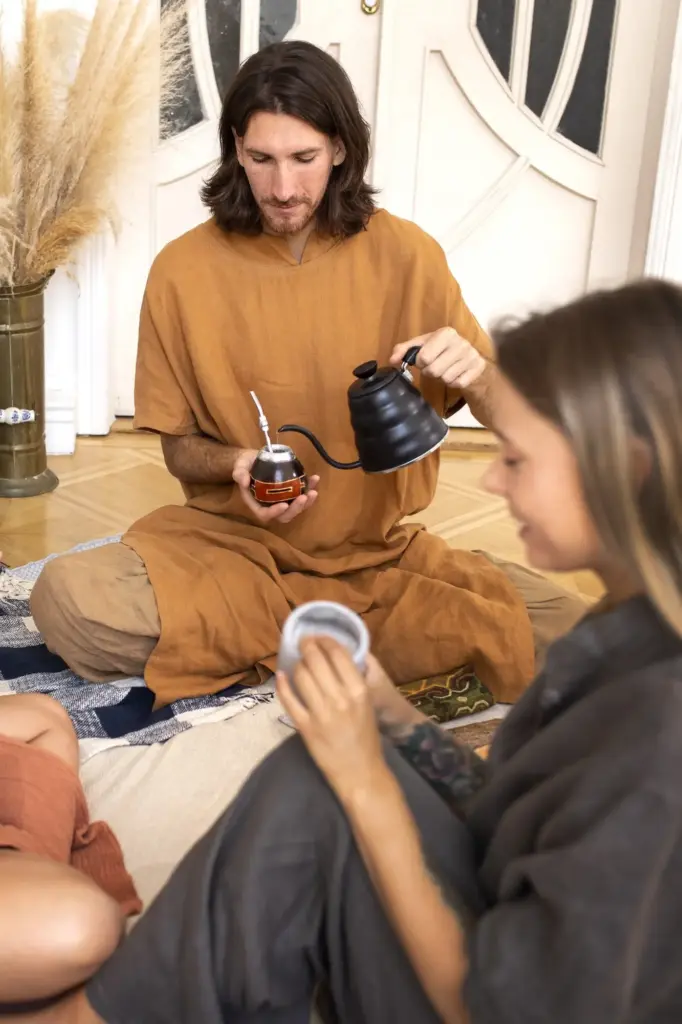
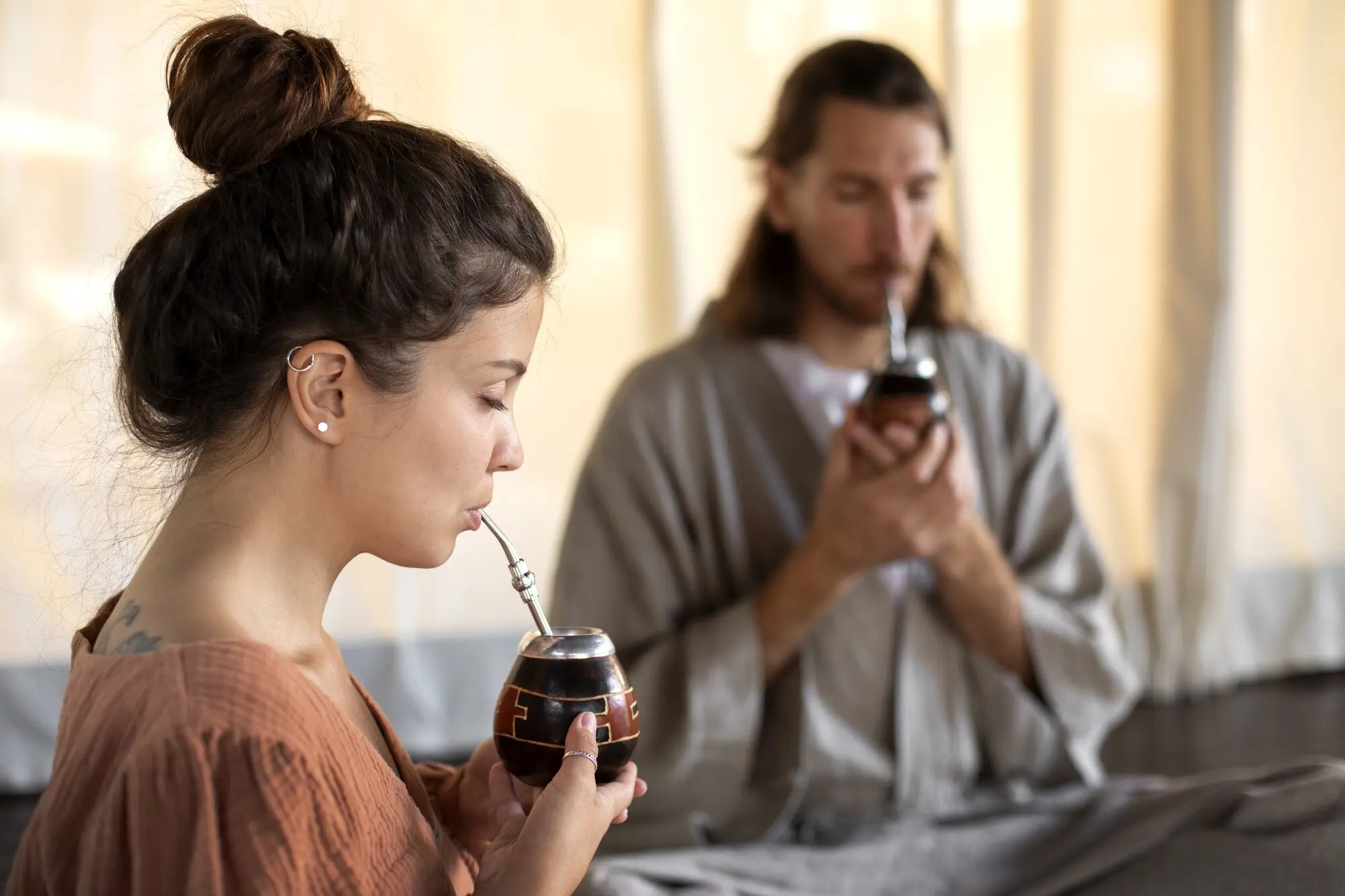
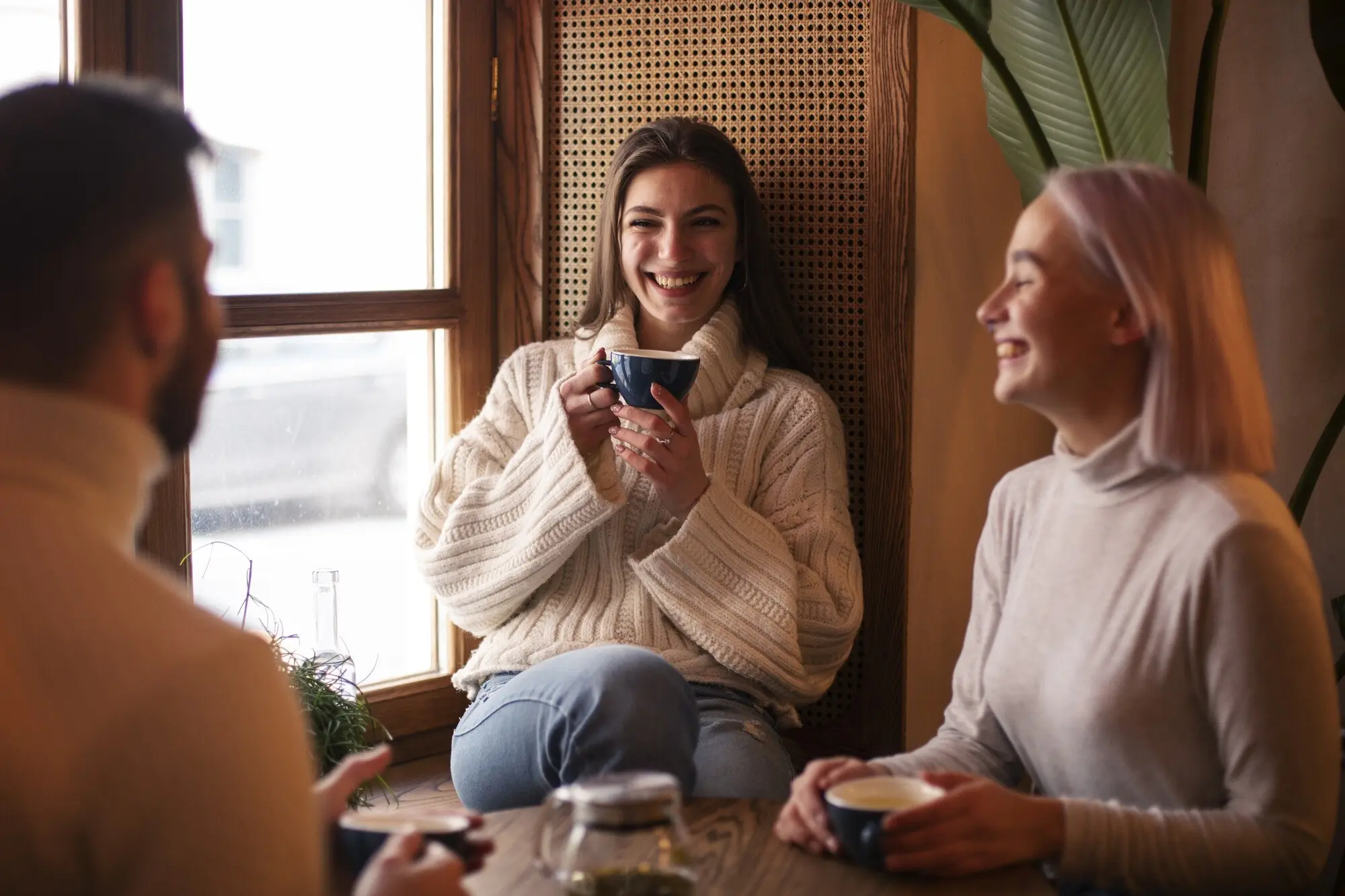
Across continents, mornings often open with warmth rising from a cup. Beyond caffeine, these first sips mark intention, welcome light, and signal our bodies to begin again. We explore how scent, steam, and measured motions prepare attention for learning, listening, and kinder choices, while offering ways to adapt respectful elements at home without imitating sacred practices or turning living traditions into novelty.

Ways We Say Hello

Bows and Bends

Across East Asia, bending from the waist or nodding the head can express gratitude, apology, or simple hello. The angle and length shift the message, yet the heart remains steady: acknowledge another person’s worth. In India, palms together at the chest with a gentle nod says namaste or namaskar, honoring the light within another. Let your own hello borrow respect, not choreography.

Cheeks, Foreheads, and Breath

In parts of Europe, cheek kisses dance between one and three touches, varying by region and relationship. Far across oceans, Māori hongi brings forehead and nose together, sharing the breath of life. These gestures can feel intimate, yet they teach patience with difference and attention to cues. When unsure, ask or watch first, letting care rather than assumption choose the distance of greeting.

Handshakes, Elbows, and Eye Smiles

Handshakes have long conveyed trust, though firmness norms differ by culture. Recent years popularized elbow taps and contactless waves, reminding us that health, access, and comfort guide etiquette. Whatever form you choose, soften your face, meet eyes kindly, and match the other person’s pace. A thoughtful pause can say more than grip strength ever could, turning a quick hello into sincere welcome.

Clean Before You Begin

Before meals, work, or prayer, many traditions invite washing, bathing, or cleansing the mind. These practices are not only about hygiene but readiness, clearing distractions so intention can land. We explore everyday ablutions from different places with reverence and care, suggesting respectful, non-appropriative ways to build your own brief reset using breath, water, and attention to surroundings you already inhabit.

Right Hand, Left Hand, Shared Bowl

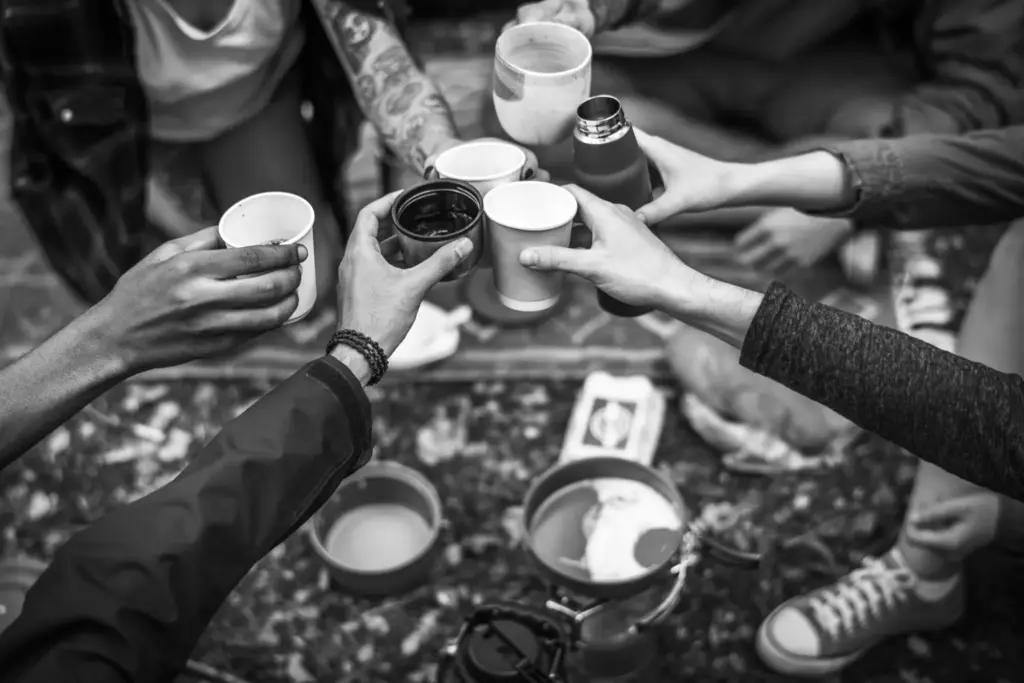
In many parts of West Africa, the Middle East, and South Asia, eating with the right hand is customary, often after a shared handwash. Portions are small, elders begin first, and the center bowl becomes a map of courtesy. Slowing to notice reach, rhythm, and eye contact turns nourishment into relationship. However you eat today, add one respectful gesture that says we belong together.

Fika and the Pause That Saves the Day

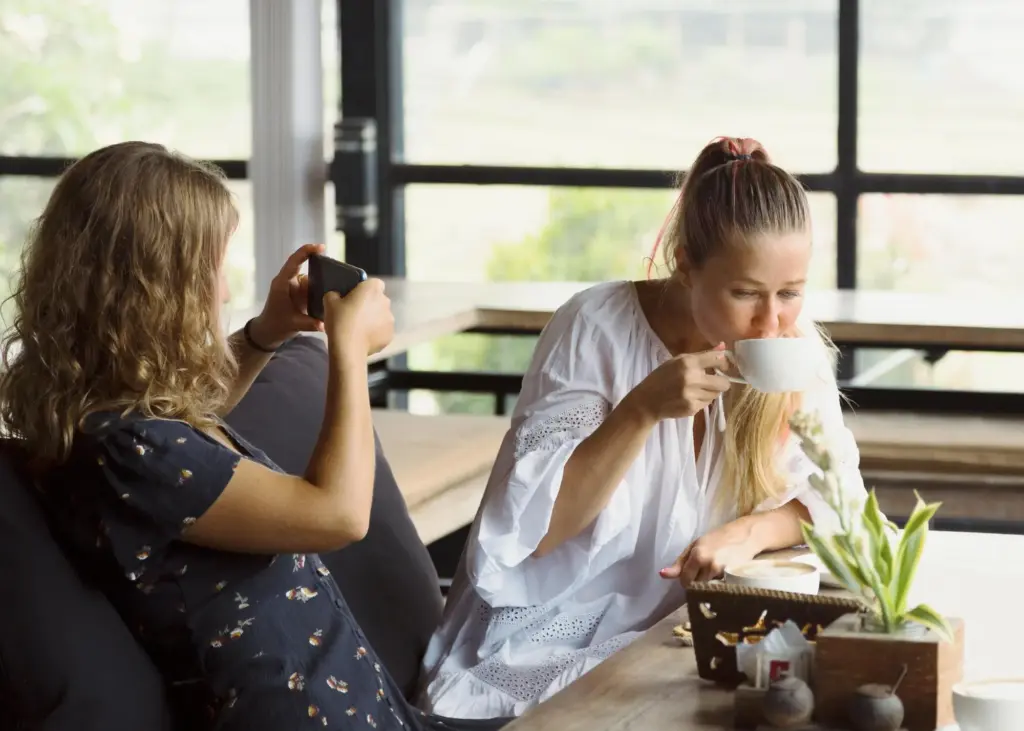
In Sweden, fika is a beloved coffee break with pastry and conversation, often twice daily. It is less about sugar and more about stopping together. Teams reconnect, stress softens, creativity returns. You can adopt the principle by protecting a mid-morning pause, phones out of sight, perhaps with fruit or bread, letting five unhurried minutes repair attention and remind you work is human.

Bento, Tiffins, and Carried Care

From Japanese bentō boxes arranged with balance and color to Mumbai’s dabbawalas delivering warm lunches in tiffins, portable meals carry both nutrients and love. Compartments protect textures; repetition keeps mornings smooth. Packing tomorrow’s lunch becomes a nightly kindness to your future self. Even a simple sandwich beside sliced fruit can feel ceremonial when wrapped intentionally and opened in mindful company.

Doorways Tell Stories

Entrances script how we cross from public to private. Shoes, keys, smells, and small gestures set the tone for everything that follows. We look at tidy thresholds, brief blessings, and gentle space-clearing rooted in local customs. You will find ideas for crafting respectful arrivals that honor your own background, welcome guests warmly, and remind the body it has come safely home.

Calls to Prayer and Windows Filled With Light
In many cities, the adhan carries across rooftops five times daily, inviting Muslims to turn toward prayer. Families orient schedules around these moments, aligning tasks with intention. Elsewhere, the Angelus bell pauses noon. Observing respectfully, we learn how sound anchors practice. You might set a chime for a daily breath, drink of water, or note of thanks that steadies momentum.

Bells, Drums, and the Village Clock

Temple bells in Kyoto, church carillons in small European towns, and school drums in parts of West Africa all coordinate movement with meaning. The shared beat says, we begin, we change, we end, together. In your life, consider a kitchen timer that signals stretch time, or a favorite song that opens study sessions, giving your brain compassionate edges to the day.

Friday Sirens and Citywide Deep Breaths
In Israel, a siren near sunset on Fridays helps announce Shabbat’s approach, nudging kitchens to glow and streets to soften. In some Japanese towns, evening loudspeakers play familiar melodies reminding children to head home. These cues transform entire neighborhoods with a single note. Design your own weekly transition—perhaps a candle, cleaned table, or shared walk—that tells the household it is time to rest.

Make It Yours, Share It Forward

Rituals thrive when they are rooted, kind, and repeatable. Borrowing surface details can miss the heart, but noticing principles—pausing, greeting, cleansing, and sharing—helps you craft practices that fit your story. We offer invitations and safeguards for building respectful micro-rituals, then encourage you to tell us what you try, what shifts for you, and how your community responds over time.