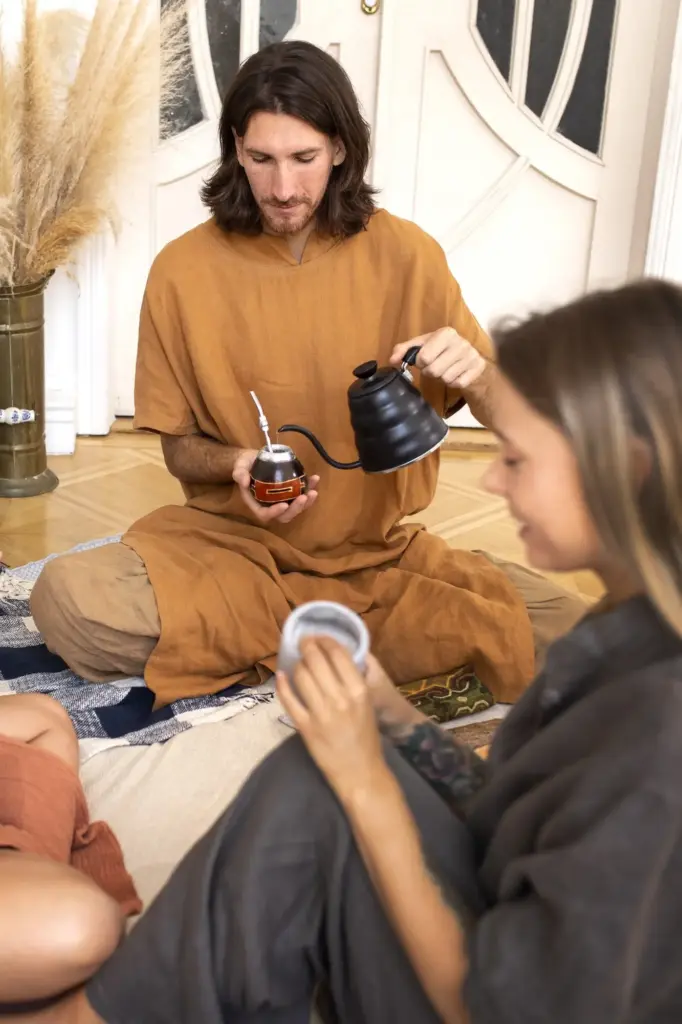
Warm Hellos Across Borders

Join a friendly journey into Greeting Etiquette Worldwide: Daily Gestures and Forms of Address, exploring how bows, handshakes, cheek kisses, honorifics, and respectful words shape first impressions across cultures. Expect practical tips, vivid anecdotes, and guidance for real-life encounters. Share your experiences, ask questions, and help others learn how to greet with warmth, humility, and confidence wherever life takes you next.

Reading the Handshake

Handshakes vary widely, from brisk and firm in parts of the United States and Germany to lighter, fewer-pump versions in China and Southeast Asia. In many Middle Eastern settings, use the right hand, keep it gentle, and respect gender norms. Time your release thoughtfully; lingering too long can feel intrusive. When in doubt, mirror the other person’s pressure and tempo. If someone prefers a nod, accept it warmly and move on gracefully.

Understanding the Bow

In Japan, angle, depth, and duration carry meaning: casual acquaintances exchange a light bow, while deeper, longer bows honor elders, clients, or solemn moments. Korea often pairs a slight bow with a handshake, especially when seniors are present. Keep your back straight, eyes lowered briefly, and avoid excessive chatter during the gesture. Patience shows respect. When you receive a bow, return one of comparable depth to acknowledge dignity without exaggeration or awkwardness.

Names, Honorifics, and Showing Respect

Names and titles signal respect, particularly during first meetings and formal settings. In Germany, academic titles matter; in Japan, suffixes like san or sama convey esteem; in parts of West Africa, kinship words honor community roles. When unsure, default to titles and last names until invited otherwise. Listen actively for preferred pronouns and correct pronunciations. Demonstrating care builds credibility fast and prevents unintentional offense during those delicate, early minutes of relationship building.

Choosing Informal or Formal You

Languages split between casual and respectful address: tú or usted in Spanish, du or Sie in German, ty or vy in Russian, and tu or vous in French. Start on the formal side, then shift if invited. Context matters—age differences, professional hierarchy, and setting shape expectations. If you accidentally slip, correct yourself with a light apology and continue. People usually appreciate your effort far more than flawless perfection, especially when goodwill is obvious.

Calling People by Title

Where titles carry weight, acknowledge them cheerfully. Herr Doktor and Frau Doktor in German-speaking contexts, Professor or Doctor in academic circles, and honorifics like sir or madam in ceremonial environments reinforce cordial distance. In Korea, suffixes such as nim or ssi communicate courtesy. When receiving a business card that lists distinctions, mirror what you read. If someone insists on first names, follow their lead graciously, maintaining warmth without erasing well-earned professional recognition.

Elders and Hierarchy

Many communities appreciate deference to elders, supervisors, or hosts. In parts of Nigeria, respectful greetings consider age; in China, introductions often follow seniority; in Japan, seating and speaking order reflect status. You need not act stiff or submissive—just attentive. Offer first greetings to the most senior present, then continue down the line. If uncertain, quietly ask a colleague for cues. Respectful sequencing avoids awkward starts and earns instant goodwill.

Space, Touch, and The Number of Kisses

Comfort zones shift across borders. Nordic countries tend to value wider personal bubbles, while parts of Latin America, the Mediterranean, and the Middle East tolerate closer distances. Cheek-kissing customs range from none to several, and rules often vary locally. Consider gender, religion, and professional boundaries before leaning in. When unsure, pause and smile; let your host initiate. A light, adaptable approach helps you harmonize with the room’s rhythm without forcing intimacy or appearing aloof.

Silent Signals: Gestures and Eyes

Hands, eyes, and smiles speak faster than words. Right-hand usage in South Asia and the Middle East remains standard for giving and receiving; left-hand gestures can feel careless at meals. Eye contact ranges from essential in American business to moderated in Japan, where prolonged gazes can seem challenging. Smiles vary too—default friendly in the Philippines, more measured in Russia. Tune yourself to local frequency, and curious respect will carry you far.

Hands Say Plenty

Offer and accept items with the right hand or both hands in many regions. The OK sign offends in some places, and thumbs-up has shifting meanings. Keep gestures moderate until you learn local nuance. When receiving business cards in Japan, use two hands and read the card carefully before putting it away. Show gratitude with a slight nod. Small, thoughtful motions communicate care long before any sentence reaches your listener’s ears.

Eye Contact Nuances

Direct eye contact can signal confidence and credibility in North American boardrooms, yet feel intense in parts of East Asia, where softer, intermittent glances project politeness. Some African contexts encourage reduced eye contact with elders as respect. Instead of overthinking, mirror the other person’s style, sustain a relaxed gaze, and avoid staring. If you feel tension rise, break contact briefly while nodding, then reengage naturally. Balance matters more than rigid rules.

The Smile Spectrum

A smile can invite conversation or seem insincere, depending on culture and timing. In the United States, quick smiles often smooth interactions; in parts of Central and Eastern Europe, smiling without cause may puzzle people. Aim for warm, context-aware expressions that match the setting. Share genuine appreciation in your eyes, not just your mouth. When uncertainty lingers, let courtesy guide you, and ask questions kindly. Real warmth travels farther than practiced grins.

Rituals, Faith, and Meaningful Customs

Muslim Greetings and Courtesies

“As-salamu alaykum” opens with peace, inviting the reply “Wa alaykumu as-salam.” Many prefer same-gender handshakes or a warm verbal exchange with a hand-over-heart. Dress, modesty, and prayer times influence availability and tone. During Ramadan, greet respectfully and avoid scheduling demanding meetings close to iftar. If you misstep, apologize sincerely and adjust. Kind intentions, attentive listening, and measured gestures reflect honor and strengthen trust more than any flawless script could.

South Asian and Sikh Courtesies

Namaste, said with palms together, conveys respect without touch across India and Nepal, while in Sikh settings, “Sat Sri Akal” carries spiritual affirmation. Remove shoes in homes and temples when appropriate, and mind offerings or prasad with two hands. Avoid stepping over people or sacred items. Speak calmly, thank your hosts sincerely, and follow cues for seating and sequence. Thoughtful participation in small details often resonates more than eloquent words alone.

Indigenous Welcomes

The Māori hongi presses nose and forehead gently, symbolizing shared breath and unity. In Pacific communities, the honi or a respectful embrace may appear in close relationships. Many First Nations greetings center around introductions acknowledging family ties or land. Accept guidance from cultural hosts, move unhurriedly, and show gratitude without spectacle. Ask permission before photos. Remember, the purpose is connection, not performance; humility lets meaningful welcome replace hurried politeness.

Workplaces and Everyday Hellos

Professional contexts often compress time, raising the stakes of that first greeting. Arrive prepared with names, titles, and correct pronunciations. In Japan, exchange business cards with two hands; in Germany, punctuality and clear salutations impress. Start more formal, then relax as invited. Online meetings need etiquette too—camera on, eyes near the lens, and crisp salutations. In daily life, favor warmth without rushing boundaries, letting relationships mature at a respectful pace.

Smart Preparation Habits

Create a quick reference card listing common greetings, titles, and hand-gesture cautions. Practice aloud, then record yourself to refine pace and tone. Track what works after each meeting, and adjust tomorrow’s approach. When traveling with teammates, debrief together respectfully. Curate sources from local voices, not only generic guides. The more you prepare intentionally, the more naturally your greetings feel, freeing you to listen, notice, and connect without second-guessing every movement.

Graceful Recovery Phrases

Keep light, respectful phrases ready: “Please excuse me, I’m still learning,” or “Thank you for showing me the proper way.” Follow with a warm smile, a gentle nod, and corrected behavior. Avoid over-apologizing; one sincere effort beats repeated regret. If language barriers complicate things, pair words with kind gestures and calm tone. People rarely expect perfection, but they welcome humility that quickly transforms small errors into friendly, shared understanding.

Teaching Greetings to Kids

Turn global etiquette into playful discovery. Create bingo cards of gestures to spot respectfully, role-play introductions at home, and celebrate attempts rather than flawless delivery. Explain why elders receive special courtesies and how different cultures express warmth. Encourage children to ask permission before touching and to mirror a host’s lead. These habits nurture empathy, confidence, and open-mindedness early, preparing them to navigate new classrooms, neighbors, and adventures with kindness and poise.